For more than a century, fine diamond jewelry has leaned into designs that balance timeless aesthetics, reliable stone security, and outstanding light performance. Few mounting styles have shaped modern diamond jewelry culture as deeply as the style first released in 1886, which redefined how diamonds interact with natural light and human sight. Before this groundbreaking design reached public audiences, most diamond jewelry kept stones nestled low inside heavy metal baskets, limiting light flow and suppressing the full visual potential of each faceted gemstone. Craftspeople of that era prioritized safe containment over brilliance, leaving large portions of diamond surfaces blocked by surrounding metal structures. The innovative approach shifted that paradigm entirely, lifting round‑brilliant diamonds high above the metal band so light could enter from every possible angle, reflecting through every facet to unlock maximum fire and scintillation. This engineering breakthrough quickly grew into a global benchmark for solitaire diamond pieces, referenced constantly by jewelry lovers and designers across every generation.
The Engineering Logic Behind Iconic Prong Architecture
Every detail within this well‑known mounting style serves dual purposes: visual beauty and long‑term durability. Six evenly spaced, finely tapered prongs grip only narrow sections along the diamond girdle, leaving nearly all faceted surfaces fully exposed to ambient light sources. Unlike thicker, bulkier claw constructions, carefully calibrated thin prongs visually recede when viewed from most angles, producing the famous floating‑diamond illusion that draws all focus straight to the gemstone itself. Extra contact points distribute physical pressure evenly around the stone circumference, delivering practical safety advantages for daily wear. Should one prong receive accidental impact or gradual wear damage over decades, remaining prongs still hold the diamond securely in position, drastically lowering risks of accidental stone loss compared to four‑prong alternatives.
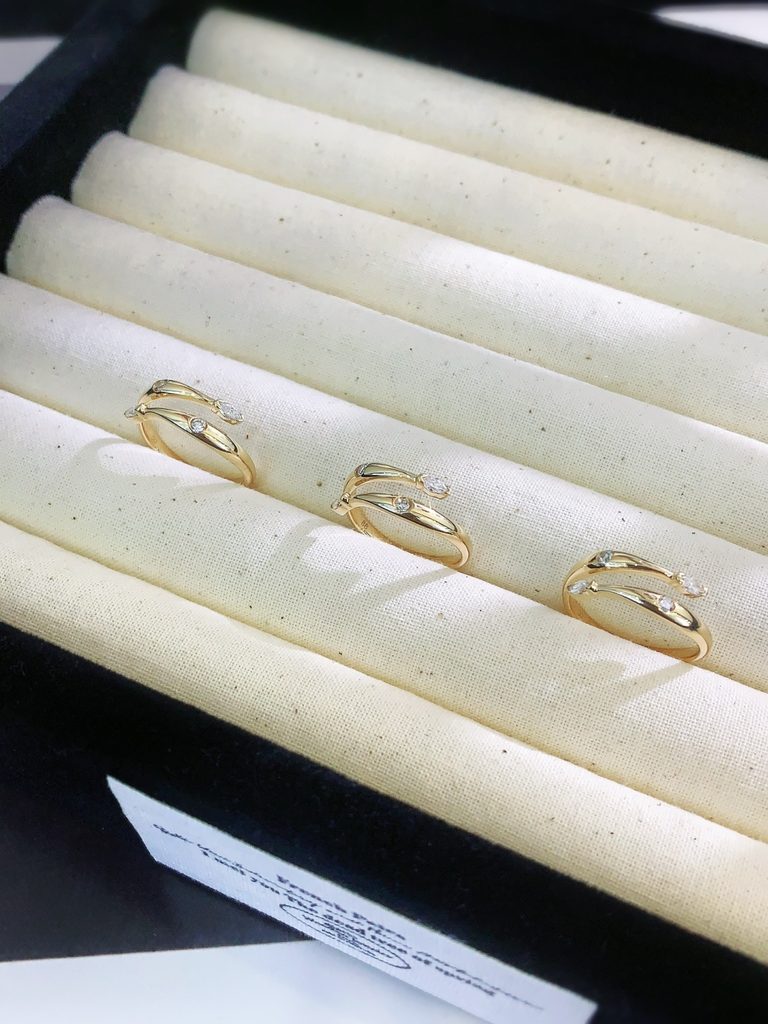
Precision craftsmanship determines real‑world performance. Prong thickness cannot be arbitrarily thin for visual appeal alone; improperly refined prongs bend easily under everyday knocks, while over‑heavy prongs block critical light paths and dull diamond sparkle. Skilled artisans calibrate each claw’s angle, tip shape and base connection point according to exact stone dimensions. Even minor misalignment creates subtle tilting that ruins light reflection and weakens overall structural integrity. These refined engineering principles translate seamlessly to lab‑grown diamonds, whose precise faceting geometry demands mounting solutions that respect every facet’s light‑handling capability. Many customers are surprised to discover that lab‑grown stones respond exceptionally well to this elevated mounting style, producing eye‑catching sparkle comparable to premium mined diamonds when paired with properly built hardware.
Why Lab‑Grown Diamonds Pair Perfectly With Classic Silhouettes
Modern buyers increasingly prioritize value, ethical sourcing, and expanded creative freedom when investing in meaningful fine jewelry. Lab‑grown diamonds possess identical physical, optical and chemical properties to diamonds formed deep within the earth, yet open far more possibilities for custom‑oriented projects without inflated price barriers. Shoppers can allocate budget toward larger carat weights, improved color‑clarity grades, or intricate personalized details instead of traditional mining‑related premiums. This financial flexibility makes classic heritage‑inspired silhouettes accessible to broader audiences who wish to own heirloom‑quality pieces reflecting personal narratives rather than generic retail inventory.
When working with lab‑grown diamonds, mounting compatibility remains critical. Round‑brilliant lab‑grown stones, including CVD and HPHT varieties, thrive within open‑architecture mountings that avoid covering facet tables, crown sections and pavilion areas. Restrictive settings block light return and hide the superior cut quality many lab‑produced gems deliver. That is where Tiffany setting, tiffany 6 prong setting, custom lab diamond pendant, custom lab diamond ring demonstrate real‑world strength as practical industry terminology for bespoke jewelry development. Each term describes distinct creative directions customers pursue while building pieces aligned with classic aesthetic roots. People often associate these terms exclusively with engagement rings, yet the core mounting philosophy translates beautifully across multiple jewelry categories, extending far beyond bridal use cases.
Design Possibilities Beyond Traditional Engagement Rings
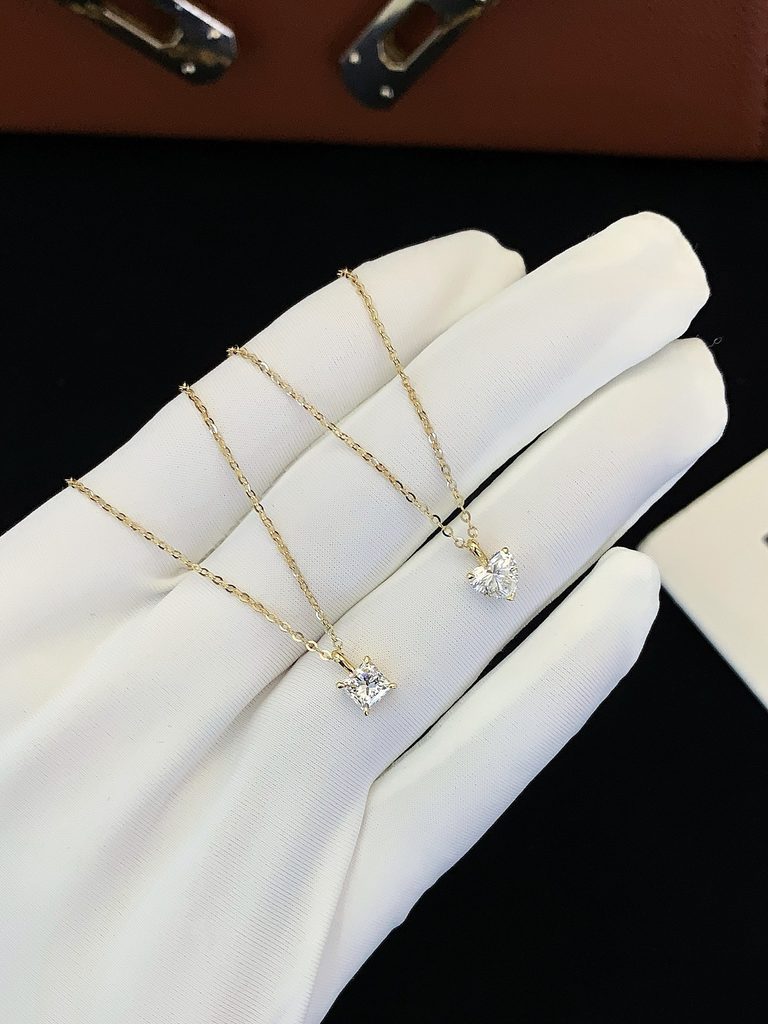
Most conversations about this celebrated six‑claw concept center entirely on engagement rings, but its core design language adapts fluidly to pendants and other wearable keepsakes. Translating elevated prong principles to pendants requires thoughtful adjustment. Ring settings sit securely against fingers, while pendants move constantly with body motion, swinging and rotating across chest surfaces. Prong assemblies for neckwear must integrate reinforced basket foundations, robust bail structures, and balanced weight distribution so stones stay level regardless of movement. Poorly adapted six‑prong pendants tilt continuously, hiding facets and diminishing sparkle as the piece shifts orientation. Expert designers adjust prong height, basket depth and bail geometry specifically for pendant applications to preserve that signature floating‑stone visual effect even during constant motion.
Metal selection opens further creative layers. Clients select from platinum, 14‑karat and 18‑karat white gold, yellow gold, and rose gold to match skin tone, lifestyle and personal taste. Platinum delivers exceptional scratch resistance and neutral cool tone that makes white‑toned diamonds pop, though it carries higher material weight. Gold alloys offer warmer color palettes and lighter physical feel. Rhodium plating maintenance requirements factor into long‑term ownership decisions for white‑gold variants. Every metal option can receive finishing variations including high‑gloss mirror polish, subtle satin textures, or fine milgrain edging to soften sharp lines. Some clients add delicate hand‑engraving along inner shanks or pendant bails, embedding dates, initials or short meaningful phrases that remain private personal touches visible only to the owner.
Navigating Each Stage Of Your Bespoke Jewelry Journey
Creating one‑of‑a‑kind diamond jewelry follows a structured workflow built around clear communication and iterative refinement. The process starts with thorough consultation to map out priorities: intended wearing frequency, preferred visual profile, target carat range, metal preferences, and any symbolic details worth integrating. Many customers come with reference photos, mood boards or rough conceptual descriptions, while others rely entirely on professional guidance to shape their vision. Once core requirements are documented, stone selection begins. Lab‑grown diamond options cover countless combinations of shape, carat, color, clarity and cut grade. Round brilliant remains the most natural match for six‑prong silhouettes, though skilled craftspeople can adapt these mounting concepts for select fancy shapes depending on stone girdle geometry.
Digital CAD renderings translate abstract ideas into visual blueprints. Detailed computer models display every angle of the proposed piece, showing prong proportions, band curvature, basket dimensions, bail construction for pendants, and relative stone scale. Clients review these files and request adjustments before physical production commences. Modifications might involve lowering or raising overall setting height, adjusting band width, reshaping prong profiles, or tweaking bail dimensions for pendant applications. This digital review phase prevents costly physical rework further along production. After CAD approvals, casting takes place, followed by hand‑finishing stages: polishing, prong forming, precise stone seating, quality verification and final inspection. Every finished item undergoes strict checks focusing on prong tightness, stone alignment, surface finish and structural stability before delivery.
Customers frequently wonder how much flexibility exists to merge vintage‑inspired silhouettes with modern‑day preferences. Some wish to keep designs strictly minimalist, mirroring the original unadorned solitaire look. Others want subtle enhancements such as micro‑pavé accent rows along ring shanks, small accent stones on pendant bails, or softly rounded band edges for improved comfort during all‑day wear. These small tweaks honor the foundational design spirit while infusing individual character. Whether someone imagines a statement‑worthy engagement piece, a sentimental anniversary gift, or an everyday wearable pendant carrying personal significance, thoughtful customization turns generic design language into something deeply personal.
Practical Considerations For Long‑Term Wear And Care
Even expertly constructed diamond jewelry demands basic ongoing attention to sustain beauty and security over decades. Prongs experience gradual wear from daily contact with household surfaces, clothing, and physical activity. Regular visual inspections help catch minor bending or wear before problems escalate. People wearing rings during heavy manual work, gym activities or household cleaning should consider removing pieces to reduce mechanical stress on prongs. Pendants receive less direct impact yet still benefit from periodic checks around bail and prong joints, especially for items worn every single day.
Cleaning routines directly influence sustained sparkle. Gentle warm soapy water paired with soft‑bristle brushes safely removes accumulated skin oils and dust trapped beneath prongs. Harsh chemical cleaners, ultrasonic devices, and steam systems need careful evaluation depending on metal type and stone specifics. Certain treated lab‑grown diamonds respond poorly to aggressive ultrasonic exposure, so always follow care guidance matched to your exact finished item. Setting height also factors into day‑to‑day experience. Higher profiles deliver spectacular light performance yet catch more easily on fabric. Design conversations always balance maximum sparkle against real‑world wearability according to each individual’s lifestyle habits.
Many people hold misconceptions that iconic historical mounting styles can only exist with naturally mined diamonds. In reality, the core design principles focus entirely on geometry, light physics and metal craftsmanship rather than stone origin. Lab‑grown diamonds hold equal capacity to shine brilliantly within these classic frameworks. Choosing bespoke creation allows you to capture that legendary aesthetic without compromising personal values, budget boundaries or unique creative vision. Instead of settling for mass‑produced inventory built around generalized consumer trends, you participate in building jewelry aligned exactly with your expectations, from stone characteristics down to the smallest finishing nuance. Every completed piece carries not just diamond sparkle, but traces of your own story embedded within metal and stone.